Since its general release last month, there has been lots of talk about the new SAP Logistics Management (LGM) module, but where does it sit in the SAP logistics landscape? More importantly, should you be paying attention?
As our logistics team was asked by SAP to test the BETA release prior to its launch to customers last year, we know it well. Here, we cut through the jargon and look at what you really need to know.
Logistics Management is a cloud native, AI-powered solution run on SAP BTP. It can be integrated with S/4HANA Private Cloud now and Public Cloud integration is coming soon as part of the 2026 roadmap.
With so many other S/4HANA logistics solutions from SAP, we have been asked many times where LGM fits and it’s a good question. LGM is not replacing any of the existing solutions, it is designed to complement them by packaging together core basic functionality from across modules, into a single offering.
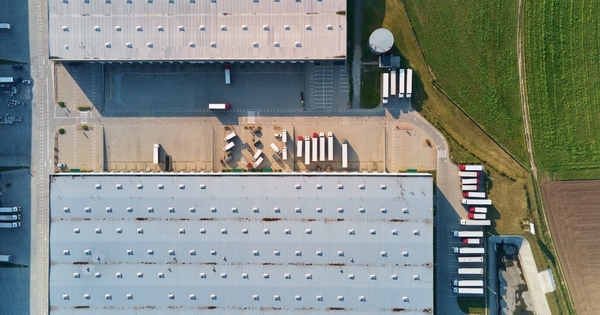
The new module has been specifically developed for low complexity warehouse operations. We know that SAP’s established EWM and TM modules deliver exceptional technical and functional capabilities for managing complex, high-volume operations. However, it is often over-engineered for low-complexity operations. With LGM, SAP is talking to smaller, single site distribution warehouses or local, satellite facilities in enterprise operations.
By integrating warehouse and transportation management, with built-in carrier collaboration, LGM offers an end-to-end logistics solution. Simple inbound, outbound and internal warehouse processes are combined with parcel shipping, rule-based carrier selection and milestone tracking to negate the need for a separate TM solution. With embedded AI for data-driven decisions and user support, it is setting you up for the future of warehouse operations.
Put simply, SAP is ensuring that customers have a solution that works across their logistics landscape. Not every site is the same size, with the same processes, managing the same volumes. Adopting a hybrid approach means that each site gets the functionality it needs, delivering more efficient end-to-end supply chain operations.
Inventory Management (IM) – Simple warehouse or stock rooms used to manage internal stock movements and issue stock to production and maintenance.
Stock Room Management StRM – Simple stock-led sites that manage goods in, internal movements and goods out.
Logistics Management (LGM) – Low-complexity warehouse operations, with external shipping activities that require some transportation management capabilities.
Extended Warehouse Management (EWM) – Large, complex, high-volume, automated warehouse and distribution operations that need precision management.
We always say one size doesn’t fit all. Customers should look to adopt a multi-module landscape, rolling out the module that best fits the needs of each site. This is what SAP does well. It identifies solution gaps and delivers. LGM exists to fill a definite gap and enable low-complexity operations to remove spreadsheets, local tools and manual processes. LGM not only makes individual sites more efficient, but delivers connected processes, unified ways of working and end-to-end visibility across your entire SAP logistics landscape.
The appeal for LGM will only grow as SAP continues to develop the product. For customers that can’t currently see the functionality they need, the good news is that with a full roadmap of new functionality being released every few weeks, it is something that promises to deliver real value.
If you are unsure about the most effective logistics solution for your operation, we get it. From IM and LGM to WM and EWM, and everything in between, it can be a minefield making sense of which solution actually delivers the functionality you need for your business. That’s where we come in, logistics is what we do. Our logistics experts will advise on the best SAP solutions that not only meet your requirements today, but can adapt to cater for your future direction.
What are you waiting for? Speak to one of our logistics specialists to have a chat about your SAP logistics landscape and how we can make it work for you.