


Not sure where to start?
Book a free SAP diagnostic session
Analyse your current SAP setup and create a practical roadmap which makes a difference where you need it.
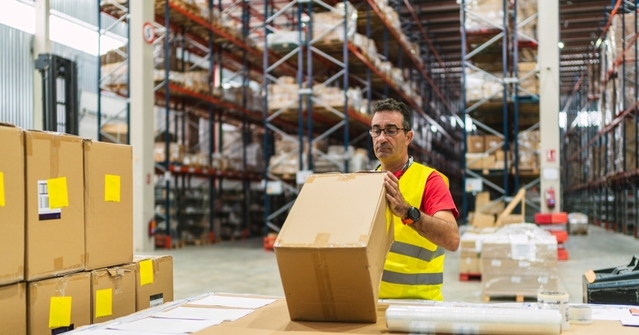
The supply chain is the heart of any business. The reason we get the products and services we love. From getting the raw materials to getting the finished goods in our hands, every stage plays a vital role in getting things right.
The supply chain is the heart of any business. The reason we get the products and services we love. From getting the raw materials to getting the finished goods in our hands, every stage plays a vital role in getting things right.
But what happens when you don't fully understand these different stages of the supply chain?
Processes start to break down
Delays pile up
Costs start to rise
You lose sight of what's going on
That's where getting to grips with the stages of the supply chain becomes really important. These stages define how goods flow through the business, ensuring things run smoothly and efficiently every step of the way.
When looking at supply chain operations or strategy, the goal is simple: get a clear handle on each stage, connect the dots between them, and make sure everything's running at its best from start to finish.
The stages of the supply chain are essentially the key phases that a product goes through, from creation to delivery to customer.
These stages include:
Planning
Sourcing
Production
Storage and distribution
Delivery
In a nutshell, this is how goods move from supplier to customer.
Planning is the foundation of the whole supply chain.
It involves:
Forecasting demand, working out supply requirements and doing a risk assessment
Aligning production and inventory
In practice:
Businesses try to work out how much product they need to sell
They plan their supply chain to meet that demand
Teams figure out what resources they'll need to make that happen
The end result is:
Supply and demand are in balance
Operations are running smoothly
You're ready for any potential disruptions
Sourcing materials is all about getting the raw materials and services you need from suppliers.
It includes:
Finding the right suppliers
Negotiating the contract
Getting the materials you need
In practice:
Suppliers are vetted and chosen
You agree on the terms with them
You use techniques like market research and RFPs to find the best materials at the best price
You order the materials
The result is:
You've got a reliable supply chain
You've got strong relationships with suppliers that help you get the best quality product
You're getting the best deal possible
Production is where raw materials get turned into finished products.
It includes:
Manufacturing processes
Assembling the product
Checking the product for quality
In practice:
Materials get turned into products through manufacturing tasks
Goods get assembled and checked over, and the aim is to get it done as efficiently as possible
The product gets made ready for storage
The end result is:
Products are up to quality standards
Production is in line with demand
You're using lean manufacturing principles to reduce waste and get things done faster
This stage is where products get stored and managed before distribution, with keeping track of inventory being the main goal.
It involves:
Warehouse operations
Tracking the inventory
Keeping a handle on stock levels
In practice:
Goods get put into warehouses
You use advanced logistics to move them around and track stock levels
Stock gets prepared for orders
The result is:
Products are available when you need them
Inventory is accurate
This is the delivery stage - where companies get products to the end customer.
It includes:
Processing the order
Getting the goods transported and delivered
Getting the delivery done
In practice:
Order fulfillment happens
Goods are shipped out
Deliveries are completed
Last-mile delivery is what makes or breaks customer expectations
The result is:
Products get to customers on time
Service levels are maintained
You use alternative delivery methods when needed to make sure things get done on time
The stages of supply chain management are all about managing and optimising each stage of the supply chain through supply chain management (SCM).
These stages make sure the supply chain management process is aligned across the whole process:
Processes get connected
Data flows across systems
Performance gets continuously improved
Supply chain management includes everything from:
Planning demand and supply
Managing suppliers
Controlling production
Optimising logistics and delivery
This means you get a connected and efficient supply chain - which is why supply chain management is so important to save costs and protect profit margins.
In more advanced cases, organisations might want to include additional stages:
Managing returned products through the reverse flow of products through the supply chain
Handling repairs or recycling to support sustainable practices
Using return data to identify recurring quality issues
This stage plays a significant role in improving service and strengthening customer relationships
Supporting customers after they've received their delivery to meet customer expectations
Managing service requests
This means:
You're looking after customers throughout the whole product lifecycle
Let's look at a couple of examples:
Demand forecast (planning)
Materials sourced from suppliers (sourcing)
Products manufactured (production)
Goods get stored in warehouses (storage)
Orders get delivered to customers (delivery)
Result:
Smooth and efficient operations
End-to-end visibility
Another example:
Unexpected demand spikes during peak season surprises everyone
Result:
Things get managed and sorted
Planning systems adapt their forecasts
Procurement teams source additional materials
Production ramps up output
Delivery schedules get updated
This ensures organisations can:
Flexibly respond to shifts in customer demand
When stages are managed properly, supply chain processes deliver:
A clear view of what's happening at all times
Reduced delays, less waste
Operations run according to a plan
Support for business expansion plans
Better alignment between supply and demand
Supply chain processes become connected and efficient.
Organisations often struggle with:
Breakdowns in communication between stages
Overstocking or running out of stock
Delays in getting goods to customers
No real-time data to inform decisions
These problems can hurt:
The bottom line - Cost
Performance
Customer satisfaction
Over time:
Business gets more complex
Systems expand and evolve
Processes aren't updated to match changes
Without management, stages can become disconnected and inefficiencies grow.
In today's fast-paced supply chains, systems like:
ERP systems for core operations
Supply chain planning tools
Warehouse management systems
Transportation management systems
Help support the process from planning to delivery.
These tools bring:
Real-time data to the table
Process integration
End-to-end visibility
Better coordination of production schedules across stages
Supply chain consultancy, along with SAP, helps organisations:
Map out supply chain processes
Identify areas for improvement
Design better workflows
Implement integrated systems
Find the right supply chain model for their business
This keeps supply chains delivering consistently.
Modern supply chains typically include:
Digital planning systems
Integrated supplier networks
Automated warehouse operations
Real-time logistics tracking
This creates:
A connected supply chain ecosystem
Faster decision-making
Scalable operations
When everything is working smoothly:
Each stage has its own clear goals and processes
Processes are fully connected
Data flows in real time
Demand and supply are aligned
Delivery is reliable
The result is a supply chain that the business can count on, end to end
Supply chain
The flow of goods from supplier to customer.
Supply chain stages
The key steps in the flow of goods.
Planning
Forecasting demand and supply.
Sourcing
Getting materials from suppliers.
Distribution
Delivering goods to customers.
What are the stages of the supply chain?
Planning, procurement, production, storage and delivery.
Why are supply chain stages important?
They ensure that the supply chain is structured and efficient.
What is supply chain management?
Managing and optimising supply chain processes.
Can supply chain stages vary?
Yes, depending on the business and industry.
How do companies make supply chain stages more effective?
Through integration, automation and data-driven decision-making.
The stages of the supply chain aren't separate steps - each involves connected decisions from planning to delivery.
Supply to customer, data to decision - get that right, and the supply chain becomes something the business can rely on, every single day.




